Why grow ginger
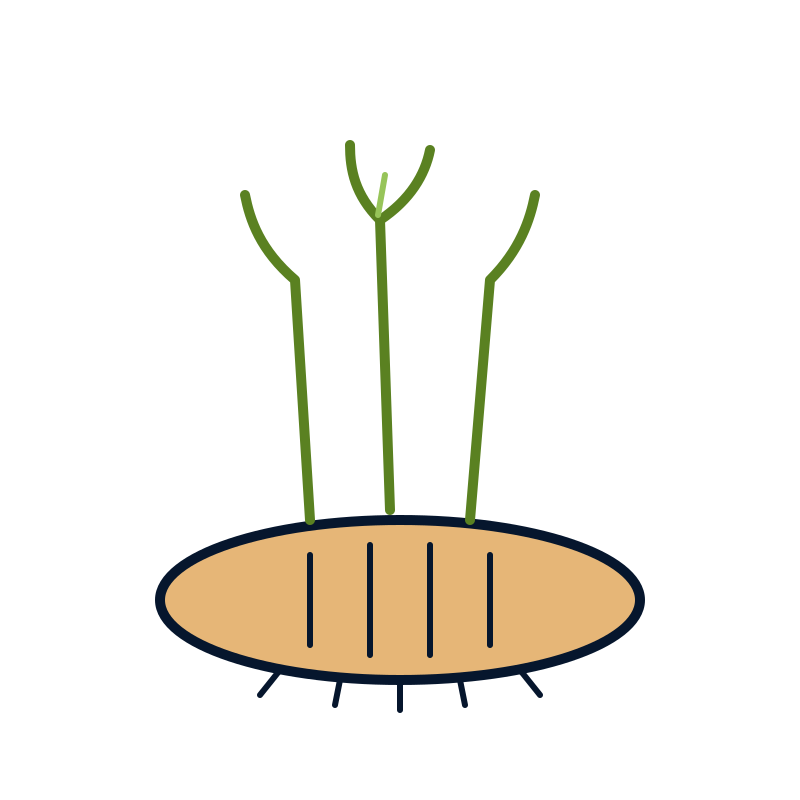
Ginger is one of the best container crops for people who want a living ingredient rather than a dried jar on a shelf. The edible part is a rhizome: a horizontal underground stem that stores energy, sends up leafy shoots, and slowly expands outward. That growth habit explains almost every practical choice — shallow wide pots, warm soil, steady moisture, and patience.
In the AncientModern map, ginger sits at the intersection of kitchen, garden, and formula logic. It appears in Ayurveda, moves through trade routes, and returns in simple daily preparations like the tulsi-ginger daily tea . It is not hard to grow, but it is slow. The grower who starts in March has a different crop from the grower who waits until June.
The reward is fresh ginger that tastes different from mature store ginger: softer, brighter, less fibrous, and sometimes faintly pink at the growing tips. Baby ginger is one of the best arguments for growing the plant at home.
Choose the right rhizome
Most home growers start with organic culinary ginger. Choose plump pieces with visible buds or eyes. Avoid shriveled, moldy, or heavily waxed rhizomes. If cutting a large rhizome into sections, each piece should have at least one strong bud and several ounces of stored energy.
Seed ginger from a nursery is cleaner and more reliable than grocery ginger, but grocery ginger can work if it is fresh and organic. The key is to wake the rhizome before planting and to let cut surfaces callus. A wet cut surface buried immediately in cool potting mix is the classic setup for rot.
Planting calendar by climate
Ginger needs an 8–10 month warm season for mature rhizomes. In zones 8–10, start indoors in February or March and move outside after nights stay above 60°F. In colder zones, ginger is a container crop: start indoors, move outside for summer, and bring inside or harvest before cold nights return.
Baby ginger can be harvested earlier, often after 3–4 months of active growth. Mature storage ginger needs the full season. In short-summer climates, plan on baby ginger or maintain pots indoors under lights into fall.
Soil and site preparation
Use a loose, moisture-retentive mix: potting soil plus compost and a little perlite or bark for air. Ginger likes humidity and steady water, but it still needs oxygen around the rhizome. Heavy garden soil in a pot is too dense.
Choose a wide shallow container rather than a narrow deep one. A 14–18 inch wide pot gives rhizomes room to spread. Drainage holes are mandatory. Outdoors, ginger prefers bright shade or morning sun; harsh afternoon sun can scorch leaves.
Step-by-step planting
- Pre-sprout the rhizomes. Place pieces in warm damp coco coir or vermiculite at 75–85°F until buds swell.
- Callus cut surfaces. If pieces were cut, let them sit dry for 24–48 hours before planting.
- Plant shallow. Lay the rhizome horizontally with buds facing up and cover with 1–2 inches of mix.
- Water gently. Keep evenly moist but not wet while shoots emerge.
- Move into warmth. Once nights are reliably warm, place the pot outdoors in bright indirect light.
Season-long care
Ginger wants warmth first. Growth is slow below 65°F and strong above 75°F. Water when the top inch of mix dries, and increase water as the plant becomes leafy. A monthly light organic feed supports rhizome growth.
Top-dress with compost in midsummer as the rhizomes swell. If the rhizome begins to show at the surface, cover it lightly with mix. Do not bury the stems deeply; just protect the expanding rhizome from drying out.
Harvest, dry, and store
For baby ginger, harvest small side pieces when the plant has several strong stems. The skin will be thin and the flavor delicate. For mature ginger, wait until foliage yellows in fall. Tip the pot out, shake away mix, and separate the rhizomes.
Fresh baby ginger stores only a short time in the refrigerator. Mature ginger stores longer after a brief drying period in a warm airy place. Save a few healthy pieces with buds for next season.
Container variation
Container ginger is the standard approach outside the tropics. A wide fabric grow bag, shallow tub, or half-barrel works well. Indoors, place the pot on a tray and keep humidity moderate. If light is weak, the plant survives but rhizome growth slows.
In very warm climates, ginger can grow in the ground beneath taller plants. Mulch well and protect from drying wind.
Troubleshooting
- Rhizome rots before sprouting: soil was too cool or cut surfaces were not callused.
- No shoots after a month: temperature is likely too low or the rhizome was dormant.
- Leaf tips brown: air is too dry or salts are building up in the pot.
- Small rhizomes: season was too short or container was too narrow.
- Pale growth: feed lightly and increase warmth.
Baby ginger vs. mature ginger
Baby ginger is harvested while skins are thin and fibers have not fully developed. It is excellent for fresh slicing, quick pickles, and tea. Mature ginger has stronger heat and stores longer. The choice depends on timing: a short-season grower may intentionally harvest baby ginger rather than waiting for storage ginger that never fully matures.
Warmth is the fertilizer
Ginger growers often focus on feeding when temperature is the limiting factor. A well-fed plant in cool soil still stalls. Warm root conditions, steady moisture, and air movement do more for growth than heavy fertilizer. If the container is black plastic, shade the pot wall in midsummer to avoid overheated roots.
Saving seed rhizomes
At harvest, select firm pieces with visible buds for next season. Do not save pieces that are soft, water-soaked, or bruised. Air-dry them briefly, then store in slightly dry coco coir in a cool room. The goal is dormancy without shriveling.
For a home formula pantry, dried ginger is useful because it is concentrated and stable. Slice thinly, dry at low temperature until brittle, then store in a sealed jar. Fresh ginger and dried ginger are not identical; fresh is brighter and juicier, dried is hotter and more concentrated.
Fresh ginger stores well in the refrigerator for several weeks, but home-grown baby ginger has a shorter storage window because its skin is thin. Freeze sliced pieces for tea or cooking. Mature rhizomes can be stored cool and dry for a short period, but home growers often get better results by freezing, drying, or replanting selected pieces.
Storage options
Ginger can also be harvested in small amounts without emptying the whole pot. Feel along the edge of the container, expose one side rhizome, cut a section, and cover the remaining plant again. This works best once the plant is vigorous and the pot is wide enough to spare a piece.
A good baby-ginger harvest is tender, lightly colored, and easy to slice across the grain. A good mature harvest is firm, aromatic, and well-filled along the fingers of the rhizome. Tiny knobby pieces usually mean the plant ran out of heat, time, space, or steady moisture.
How to judge a good harvest
For a patio crop, start with the final container rather than moving the plant repeatedly. Ginger resents disturbance once the new roots have formed. If transplanting is necessary, move the entire root ball without breaking the rhizome cluster.
In humid coastal climates, ginger usually grows with less effort because the air stays warm and moist. The main challenge is drainage. In dry interior climates, the plant needs more frequent watering and protection from drying wind. In short-season northern climates, the plant should begin indoors under warmth before the outdoor season starts; otherwise most of the summer is spent merely waking the rhizome.
Regional notes
The most reliable system is a staggered one: one pot for baby ginger, one pot for mature ginger, and a few saved rhizomes for the next cycle. This keeps the grower from harvesting all planting stock by accident and makes the crop feel less fragile.
Ginger rewards record keeping. Note the start date, sprout date, outdoor move date, first harvest date, and final harvest weight. After two seasons, those notes reveal whether the limiting factor is time, warmth, container width, or fertility. A small household does not need a huge crop; it needs a repeatable method that fits the climate.
Planning notes for serious growers
For a useful home crop, record the weight of starting rhizomes, the date buds appeared, the first outdoor night, and the final harvest weight. This turns each season into a small experiment. If the harvest is weak, the notes usually reveal the issue: late start, cool weather, narrow container, or inconsistent water.
What to record each season
Its best companions are not necessarily plants in the same pot. Ginger pairs well with shade-giving patio plants, a nearby tray of tulsi, or a turmeric pot that shares the same warmth requirement. Do not crowd ginger with aggressive roots. The rhizome wants horizontal space and loose mix.
Ginger is not usually grown as a classic row crop in small gardens. It works better as a movable tropical container placed where the gardener can check moisture often. Put it near a kitchen door or patio rather than at the far edge of a yard. The crop succeeds when it is observed frequently, because dry pots and cold nights are easier to correct early than after leaves collapse.
Placement and companion planning
Frequently asked questions
- Can grocery ginger be planted?
- Yes, if it is fresh and has visible buds. Organic ginger is usually more reliable.
- How long does ginger take?
- Baby ginger can be harvested after 3–4 months; mature ginger usually takes 8–10 months.
- Does ginger need full sun?
- No. Bright shade or morning sun is usually better.
- Can ginger overwinter indoors?
- Yes. Keep the pot warm and reduce watering if growth slows.
- Why use a wide pot?
- Rhizomes spread horizontally, so width matters more than depth.
Ginger in the formula map
Ginger links directly to Ayurvedic respiratory traditions , the tulsi-ginger daily tea , and both formula families: Respiratory Resilience Complex and Lung Resilience Elixir . Compare its growing cycle with turmeric and tulsi . The broader context lives in the Ancient Lung Project , and the starter materials live in the Seed Grow Kit .
Byline and sources
Written by Chris Miller, AncientModern Research Lead. Published 2026-05-24. Last updated 2026-05-24.
- University extension guidance on tropical container crops.
- Organic seed ginger grower notes on pre-sprouting and callusing.
- Ayurvedic respiratory traditions article in the AncientModern Research Atlas.